Source Golf Practice Net for Golf Fences, Cages, and Driving Ranges
Compare 30 verified listings for Golf Practice Net options including safety nets, batting cages, and driving range solutions. Buyers can evaluate customization, mesh sizes, and material types like PP, PE, and Nylon from suppliers in China; compare the available evidence and request quotations based on your requirements.
Key considerations
Products List


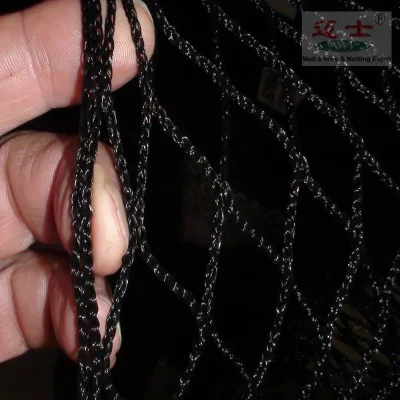


Building Site Training Premium Golf Net for Practice and Training Practice Net
$0.30 - $0.85
MOQ: 100 Square Meters


$40.33 - $43.80
MOQ: 100 Pieces


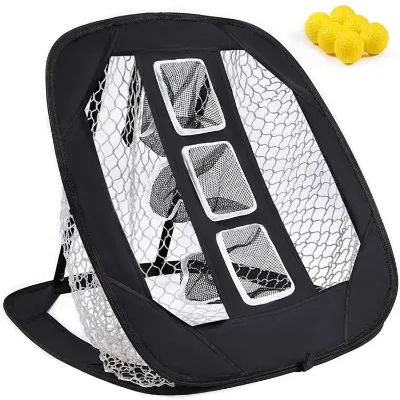
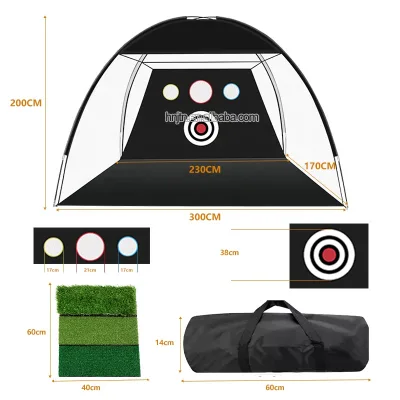


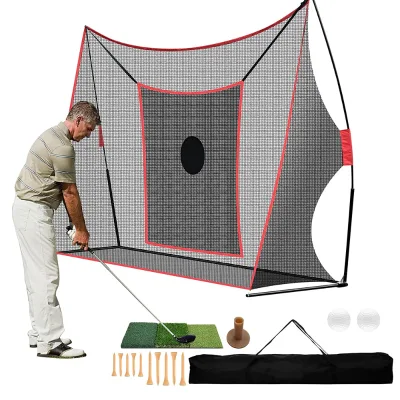
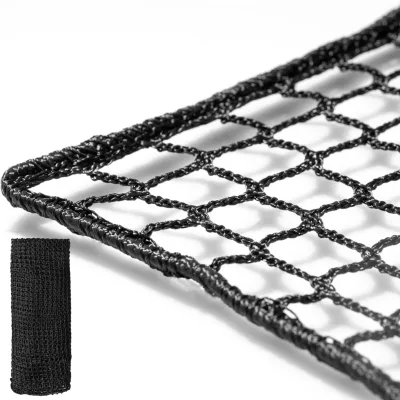
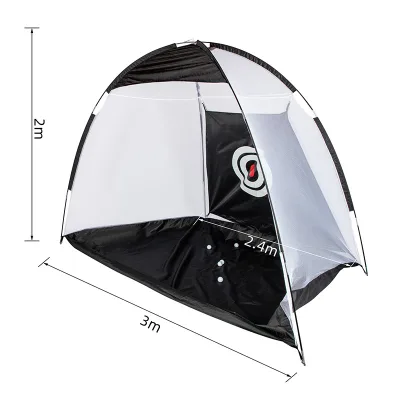


Heavy Duty Golf Practice Net Sports Netting Golf Net Sports Practice Barrier Net
$2.09 - $4.09
MOQ: 500 Pieces
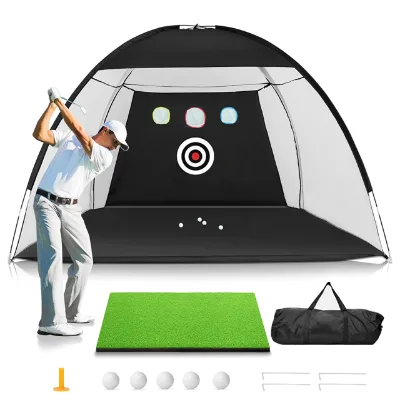
Comprehensive Sourcing Guide
Golf Practice Net Sourcing Guide
Sourcing golf practice nets requires a careful balance between durability, safety, and cost-efficiency. These nets are essential for driving ranges, batting cages, and indoor training facilities, where they must withstand high-impact ball strikes while ensuring spectator and player safety. Buyers must evaluate material composition, mesh density, and UV resistance to ensure longevity in both indoor and outdoor environments. The procurement process involves verifying technical specifications against operational needs, such as net height, width, and tension requirements.
This guide provides a structured approach to evaluating suppliers and products based on observed market data and industry standards. It focuses on key decision points including material selection, compliance verification, and commercial terms. By understanding the specific attributes of golf practice nets, buyers can mitigate risks associated with product failure and ensure that their investment meets the rigorous demands of professional and recreational golf facilities.
Product Scope and Observed Listing Signals
The market for golf practice nets includes a variety of configurations, ranging from simple safety nets to complex batting cage systems. Observed listings indicate a wide price range, reflecting differences in material quality, mesh size, and customization options. Products are often described with specific model numbers and dimensions, such as 2m6m or 1.8m6m, allowing buyers to match nets to their facility’s layout. The presence of customization options suggests that many suppliers can tailor nets to specific site requirements, including unique mesh patterns or reinforced edges.
Materials commonly cited include PP, PE, Nylon, and Polyester, each offering distinct advantages in terms of strength, flexibility, and resistance to environmental factors. UV stabilizers and mildew resistance are frequently highlighted features, indicating that many nets are designed for outdoor use where exposure to sunlight and moisture is inevitable. Buyers should pay close attention to these material specifications to ensure the net can withstand the intended operating conditions without premature degradation or failure.
Technical Specifications to Verify
Mesh size is a critical specification that affects both safety and performance. Observed data shows mesh sizes such as 25x25mm or 1-inch mesh, which influence the net’s ability to contain balls and prevent them from passing through. Wire diameter, typically ranging from 2mm to 3mm, also plays a significant role in the net’s durability and impact resistance. Buyers must verify these dimensions to ensure the net meets the specific requirements of their golf practice facility, particularly for high-impact areas like driving ranges.
Color options such as black, green, white, and orange are available, with black and green being common for blending into natural environments or reducing glare. The net’s weight and packing dimensions, such as 5kg or specific carton sizes, are important for logistics and installation planning. Additionally, features like vertical hanging and fine mesh options (e.g., 800/100cm) may be relevant for specific applications, requiring buyers to confirm these details with suppliers to ensure compatibility with their existing infrastructure.
Compliance and Safety Documentation
Safety is paramount in Golf Practice Net procurement, as the nets must prevent balls from escaping and injuring players or spectators. Buyers should request documentation that verifies the net’s impact resistance and tensile strength, ensuring it meets industry safety standards. While specific certification names are not provided in the observed data, buyers should inquire about third-party testing results that confirm the net’s ability to withstand repeated high-velocity ball strikes without tearing or failing.
Environmental compliance is another important consideration, particularly for nets used in outdoor settings. Buyers should verify that the materials used are free from harmful substances and that the nets are treated with UV stabilizers and mildew resistants to extend their lifespan. Documentation regarding the origin of materials and the manufacturing process can also provide insights into the net’s quality and reliability, helping buyers make informed decisions about their procurement strategy.
Cost Drivers and Commercial Terms
The cost of golf practice nets is influenced by several factors, including material type, mesh size, and customization requirements. Observed data indicates a wide price range, suggesting that buyers can find options at various price points depending on their specific needs. Customization, such as specific dimensions or mesh patterns, may incur additional costs, so buyers should clarify these details with suppliers to avoid unexpected expenses. Payment terms, such as TT or other methods, should be negotiated to ensure favorable cash flow and risk management.
Lead times for delivery typically range from 15 to 45 days, depending on the order size and customization requirements. Buyers should plan their procurement schedule accordingly to ensure timely installation and operation of their golf practice facility. Minimum order quantities (MOQ) vary, with some suppliers offering low MOQs for smaller orders, while others may require larger quantities for cost-effective pricing. Understanding these commercial terms is essential for effective budgeting and project planning.
Supplier Qualification and Quality Control
Evaluating supplier qualifications is crucial for ensuring the quality and reliability of golf practice nets. Buyers should verify the supplier’s manufacturing capabilities, including their experience in producing nets for golf facilities and their ability to meet specific technical requirements. Observations indicate that suppliers are located in regions such as Hebei, Shandong, and Anping in China, which are known for their manufacturing expertise in netting products. Buyers should request references or case studies to assess the supplier’s track record and customer satisfaction.
Quality control processes should be clearly defined and communicated by the supplier. Buyers should inquire about the supplier’s inspection procedures, including pre-production samples, in-process checks, and final inspections before shipment. Documentation of quality control measures, such as test reports or certification of compliance with industry standards, can provide additional assurance of product quality. Establishing a strong relationship with a qualified supplier is essential for long-term procurement success and consistent product quality.
Long-Term Procurement Checks
Long-term procurement success depends on regular performance monitoring and supplier relationship management. Buyers should establish key performance indicators (KPIs) to evaluate the net’s durability, safety, and overall performance over time. Regular inspections and maintenance checks can help identify potential issues early, allowing for timely repairs or replacements. Feedback from facility staff and users can also provide valuable insights into the net’s performance and any areas for improvement.
Continuous communication with suppliers is essential for addressing any issues that arise and ensuring ongoing product quality. Buyers should maintain open lines of communication to discuss any changes in requirements or market conditions that may impact procurement decisions. Building a collaborative relationship with suppliers can lead to better pricing, improved product offerings, and enhanced support services, ultimately contributing to the long-term success of the golf practice facility.
FAQs
What materials are used for golf practice nets?
Golf practice nets are constructed from durable materials including PP, PE, Nylon, and Polyester. These options provide flexibility and strength for various applications like batting cages and driving ranges. The specific material choice depends on the required durability and environmental resistance for your facility.
Can I customize the size of the golf net?
Yes, customization is available for the size of the Golf Practice Net. You can select dimensions such as 3 meters by 3 meters or other specific requirements. The mesh size can also be adjusted to 25x25mm or 1 inch to meet your specific training needs.
What is the minimum order quantity for these nets?
The minimum order quantity varies by supplier but can start as low as one unit or require 100 units. Some listings indicate an MOQ of 100 pieces for standard orders. Buyers should verify the specific MOQ with the manufacturer before placing an order.
How long does delivery take for golf nets?
Delivery time typically ranges from 15 to 45 days after the order is confirmed. This lead time allows for production and quality checks before shipping. Buyers should plan their procurement schedule accordingly to ensure timely arrival at their facility.
Where are these golf nets manufactured?
These nets are manufactured in China, with specific origins noted in Hebei, Anping, and Shandong provinces. Anping is a known hub for netting products. Buyers can expect production facilities located in these regions to handle the manufacturing of the requested golf practice equipment.
What features do these nets have for outdoor use?
The nets feature UV stabilizers to provide resistance against ultraviolet light and mildew. This ensures longevity when used outdoors in various weather conditions. The black, green, or white colors are designed to withstand exposure while maintaining structural integrity for long-term practice sessions.
What packaging is used for shipping the nets?
The nets are packed in woven bags, cartons, or premium packaging options depending on the supplier. This ensures the product remains protected during transit. The specific packing method may vary, but it is designed to prevent damage and keep the netting secure until it reaches the buyer.